Pause.
Reset.
Resume.
Our environment often moves faster than our breath allows. This collection of 5-minute relaxation exercises is designed for the modern workplace and high-pressure Indonesian urban life—practical steps to reclaim your focus without leaving your desk.
Baseline State
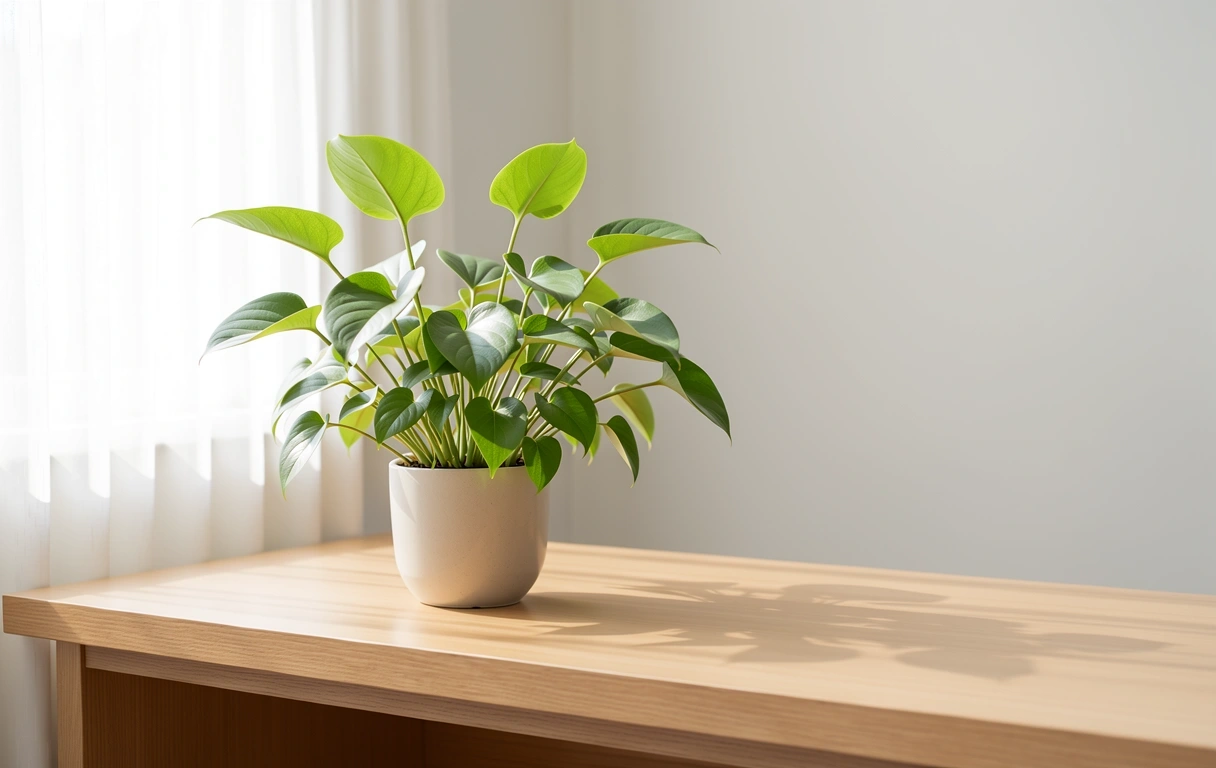
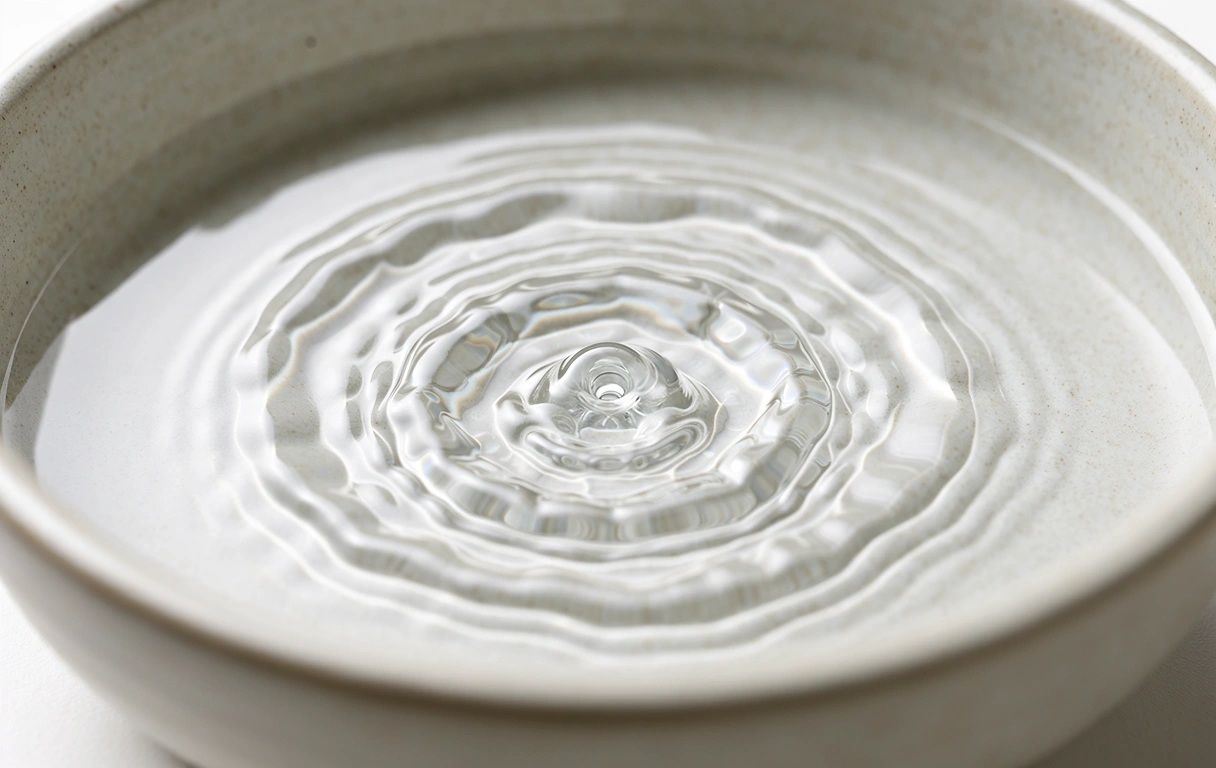
Visualizing quiet enables the neural shift toward stillness.
Breathing Exercises
Controlled respiration is the fastest way to signal the nervous system that you are safe. These methods are discreet enough for a boardroom or a crowded TransJakarta bus.
The Box Breathing Square
A rhythmic practice used by high-performance individuals to maintain clarity under fire. Visualize a square on the wall or in your mind's eye as you follow the edges.
- Inhale: Take a deep breath through your nose for a count of 4.
- Hold: Keep the air in your lungs for 4 counts without straining.
- Exhale: Release the air through your mouth for a steady count of 4.
- Hold: Keep your lungs empty for a final count of 4.
The 4-7-8 "Nervous System Reset"
This specific ratio acts as a natural tranquilizer. Place the tip of your tongue against the ridge of tissue just behind your upper front teeth throughout the entire exercise.
Nasal Inhale
Suspend Breath
Audible Exhale
Repeat this cycle 4 times. You should notice a physical sensation of the shoulders dropping by the third round.
Grounding Techniques
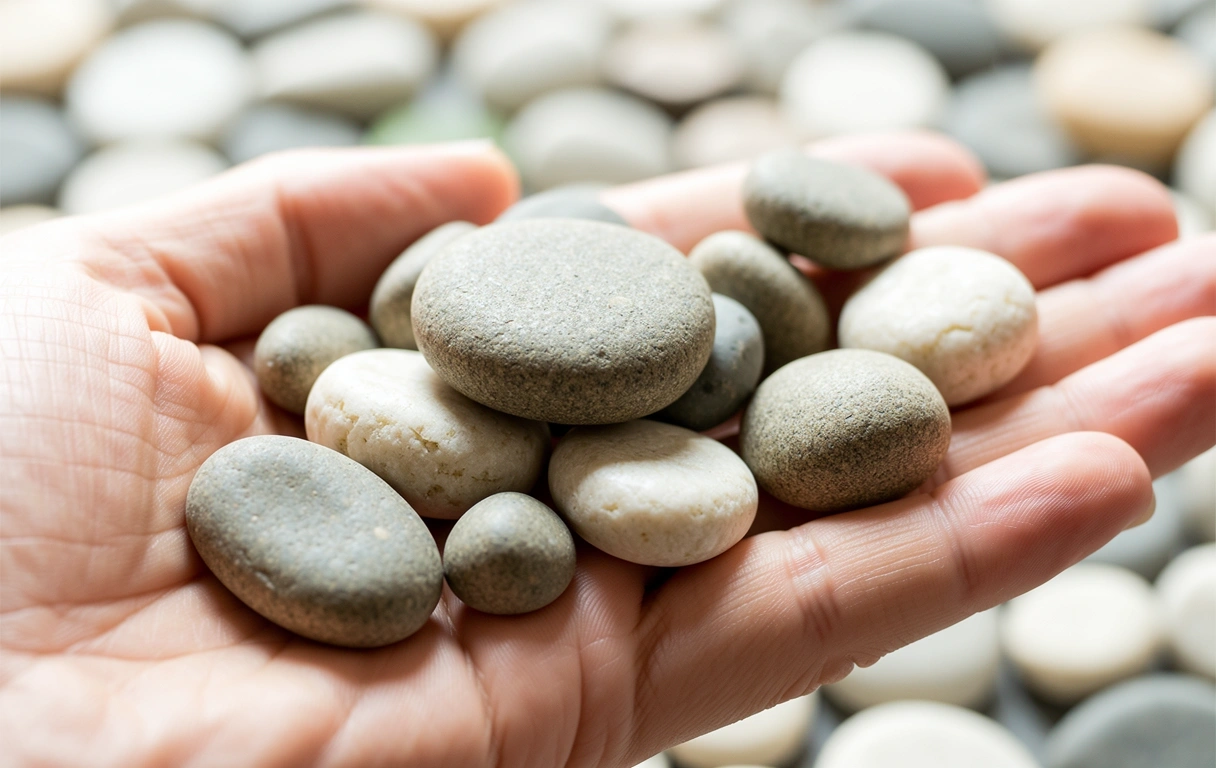
The 5-4-3-2-1 Sensory Scan
When anxiety moves into the future, grounding techniques bring you back to the present moment. This is a staple for workplace stress relief, helping you exit a cognitive loop and re-enter the room.
The Weighted Seat
Simply feeling the weight of your body against the chair. Press your feet firmly into the ground and notice the hard surface. This daily calm step is our most recommended "stealth" technique for meetings.
Muscle Tense & Release
Stress manifests physically in the jaw, shoulders, and brow. We often don't realize we are holding tension until we deliberately trigger it.
01
Shoulder Shrugs
Raise your shoulders to your ears as high as possible. Tense them for five seconds, then drop them suddenly on an exhale. Repeat three times to loosen the trapezius muscles often strained during laptop use.
02
Hand Clenching
Make a tight fist with both hands for 10 seconds. Focus entirely on the sensation of strain. Then open your hands wide and wiggle your fingers. Feel the blood flow return to the fingertips.
03
Facial Reset
Tighten all your facial muscles—squint your eyes, purse your lips, and furrow your brow. Hold for five seconds, then release everything simultaneously, letting your jaw hang loose.
Practice Timing
Weak practice only happens during a crisis. Strong practice happens when you are already calm. By practicing these 5 minute relaxation moves while you feel fine, you build the muscle memory to use them effectively when things become difficult.
Ready to deepen
the practice?
Beyond these immediate techniques, we provide structured frameworks for mental resilience in our Quality Standards briefing.
View StandardsREFERENCE DATA
- ● Updated: March 2026
- ● Location: Surabaya, ID
- ● Verified Content